
How to choose the right materials for your house
Strength, climate, budget, and comfort: how to pick materials that fit your site.
3 min read
In this article
Choosing the building materials for your house is a crucial step in any construction or renovation project. The right choice ensures not only the strength and durability of your home, but also its comfort, appearance and energy efficiency. In this article, we walk you through the key criteria for choosing the right materials for your project.
Define your needs and priorities
First of all, it is important to set your priorities. Ask yourself the right questions:
- Do you want an eco-friendly house?
- Are you looking for good value for money?
- Is thermal or acoustic insulation your priority?
- Do you have an architectural style in mind (modern, traditional, industrial…)?
Your answers will point you to the types of materials to consider.
The main materials to know
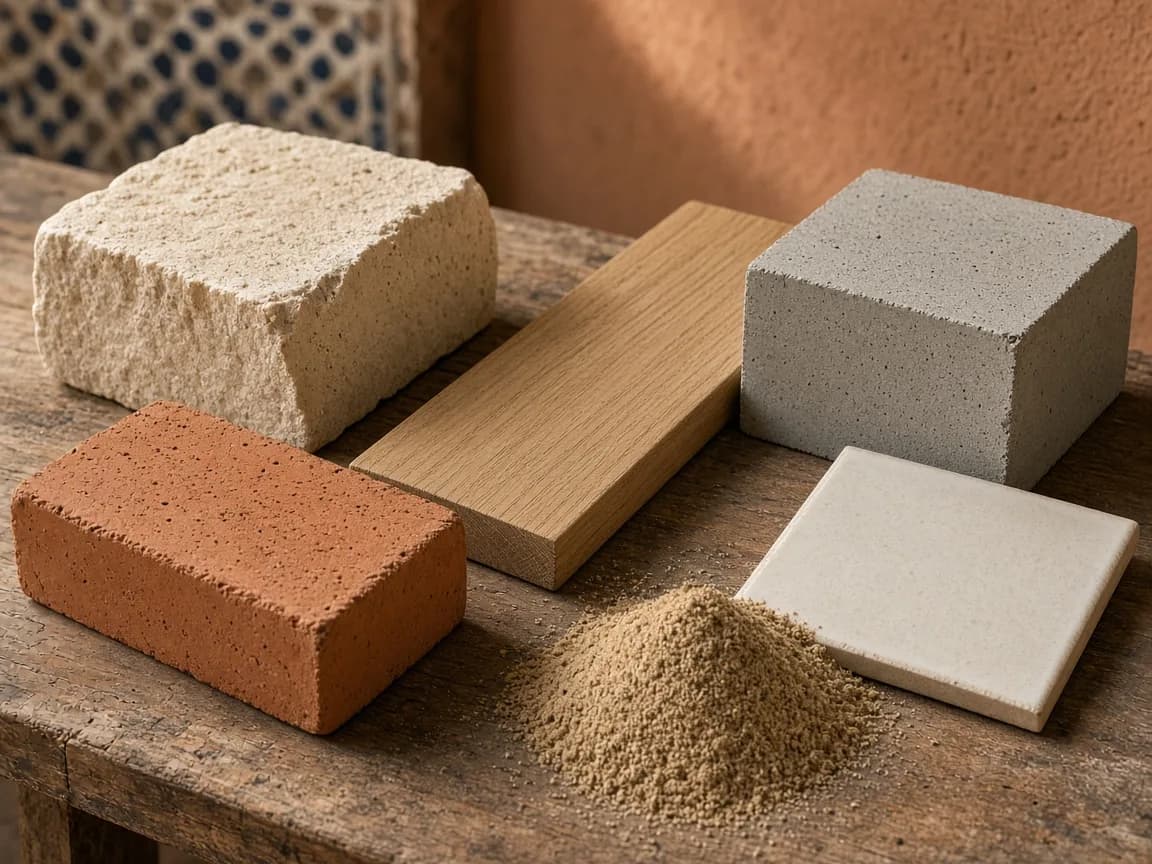
Wood
Advantages: Eco-friendly, attractive, a good natural insulator, renewable.
Drawbacks: Needs regular maintenance; can suffer from damp and insects if poorly treated.
Brick
Advantages: Good insulation, durable, resists fire and bad weather well.
Drawbacks: Sometimes more expensive; takes longer to lay.
Concrete
Advantages: Very strong, good value for money, ideal for load-bearing structures.
Drawbacks: Not very eco-friendly (high carbon impact); often needs additional insulation.
Stone
Advantages: Elegant, durable, very good thermal insulation.
Drawbacks: Heavy, expensive and harder to lay.
Metal (steel, aluminum)
Advantages: Strong, contemporary design, recyclable.
Drawbacks: Less insulating; can rust if not properly protected.
Think about energy efficiency
The materials you choose directly affect your home's energy performance. For example:
- Effective thermal insulation reduces heating and cooling costs.
- Triple glazing on windows improves comfort while limiting heat loss.
- Materials with high thermal mass (such as stone or concrete) help regulate indoor temperature.
Budget: finding the right balance
Cost is an important factor, but be careful not to sacrifice quality for short-term savings. A cheaper material today can lead to more spending tomorrow (repairs, maintenance, energy loss…).
It is worth comparing:
- The purchase cost
- The installation cost
- The maintenance cost
- The lifespan of the material
The environmental aspect
More and more homeowners are choosing durable, environmentally friendly materials:
- Recycled or recyclable materials
- FSC-certified wood
- Natural insulation: sheep's wool, cork, hemp, cellulose wadding
- VOC-free paints (volatile organic compounds)
These choices reduce the carbon footprint of the construction and improve indoor air quality.
Climate and location
Your region's climate plays a key role in choosing materials:
- In humid areas, prefer moisture-resistant materials (stone, concrete, brick).
- In hot areas, favor breathable, cool materials such as terracotta or aerated concrete.
- In the mountains, focus on insulation and robustness against extreme weather.
Work with professionals
Even with the best information, nothing replaces the advice of an architect or a building professional. They will guide you according to:
- Local standards
- The construction style
- Your budget
- The constraints of the site
Conclusion
Choosing the right materials for your house means finding a balance between appearance, performance, durability, budget and respect for the environment. Take the time to compare and get informed, and don't hesitate to ask professionals for advice to get a result that meets your expectations.
Planning a project?
Posting a project is free. Then compare proposals and spot verified companies by their badge.
Post a project